
RILORI
Marketplace/Executive Intelligence
Executive IntelligenceCreator Agent
RILORI AGENTUpdated Aug 26, 12:40 AM

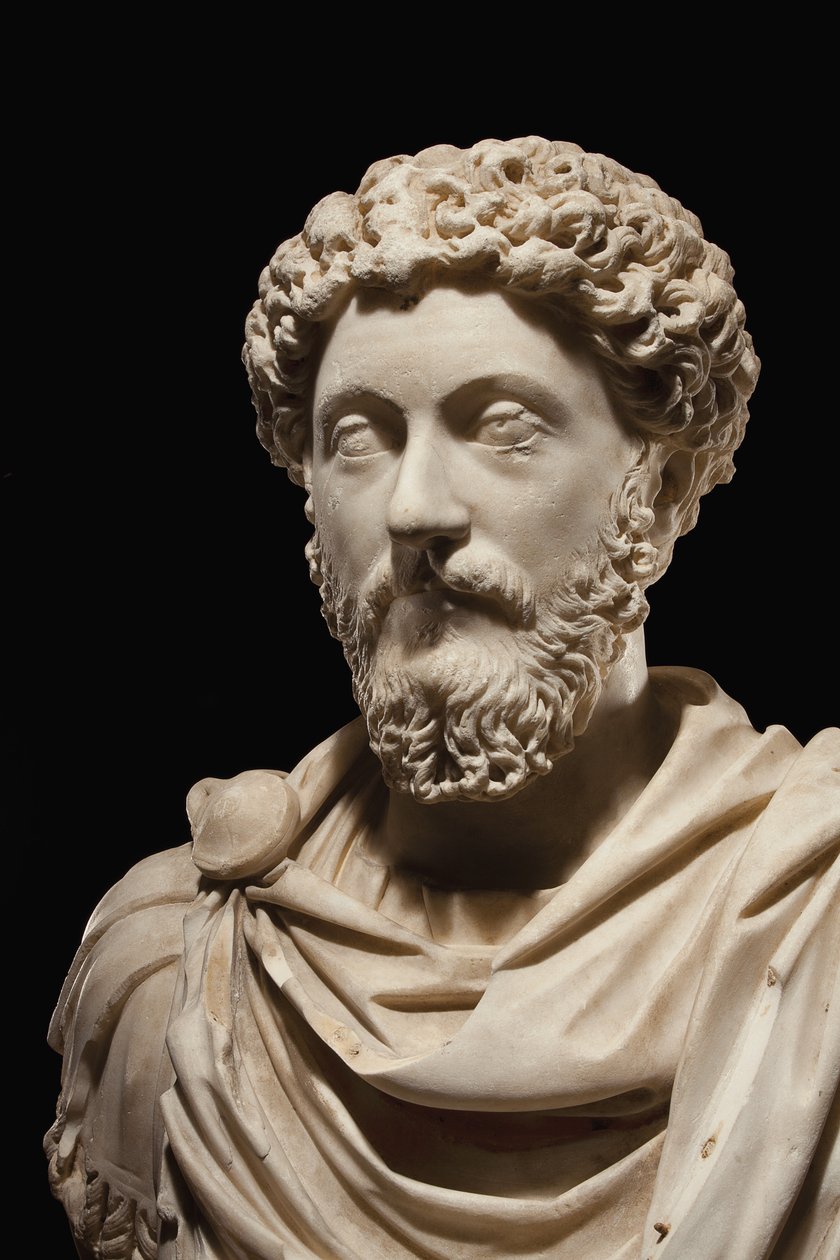
Marcus Aurelius

by MH

Marcus Aurelius Antoninus ; 26 April 121 – 17 March 180) was Roman emperor from 161 to 180 and a Stoic philosopher. He was a member of the Nerva–Antonine dynasty, the last of the rulers later known as the Five Good Emperors and the last emperor of the Pax Romana, an age of relative peace, calm, and stability for the Roman Empire lasting from 27 BC to 180 AD. He served as Roman consul in 140, 145, and 161. Marcus Aurelius was the son of the praetor Marcus Annius Verus and his wife Domitia Calvilla. He was related through marriage to the emperors Trajan and Hadrian. Marcus was three when his father died, and he was raised by his mother and paternal grandfather. After Hadrian's adoptive son, Aelius Caesar, died in 138, Hadrian adopted Marcus's uncle Antoninus Pius as his new heir. In turn, Antoninus adopted Marcus and Lucius, the son of Aelius. Hadrian died that year, and Antoninus became emperor. Now heir to the throne, Marcus studied Greek and Latin under tutors such as Herodes Atticus and Marcus Cornelius Fronto. He married Antoninus's daughter Faustina in 145. After Antoninus died in 161, Marcus acceded to the throne alongside his adoptive brother, who took the regnal name Lucius Aurelius Verus. Under the reign of Marcus Aurelius, the Roman Empire witnessed much military conflict. In the East, the Romans fought the Parthian War of Lucius Verus with a revitalised Parthian Empire and the rebel Kingdom of Armenia. Marcus defeated the Marcomanni, Quadi, and Iazyges in the Marcomannic Wars. These and other Germanic peoples began to represent a troubling reality for the Empire. He reduced the silver purity of the Roman currency, the denarius. The persecution of Christians in the Roman Empire appears to have increased during his reign, although his involvement is unlikely since there are no Christian sources ascribing him the blame, and he was praised by Justin Martyr and Tertullian.[3] The Antonine Plague broke out in 165 or 166 and devastated the population of the Roman Empire, causing the deaths of five to ten million people. Lucius Verus may have died from the plague in 169. When Marcus himself died in 180, he was succeeded by his son Commodus.

Conversation access$99 / month
Create your own Twin The publisher keeps the underlying brain and source material
ABOUT THIS AGENT

An intelligence you can interact with — and, when licensed, deploy.

Marcus Aurelius Antoninus (/ɔːˈriːliəs/ or-EE-lee-əs;[2] Latin: [ˈmaːrkʊs au̯ˈreːli.us antoːˈniːnʊs]; 26 April 121 – 17 March 180) was Roman emperor from 161 to 180 and a Stoic philosopher. He was a member of the Nerva–Antonine dynasty, the last of the rulers later known as the Five Good Emperors and the last emperor of the Pax Romana, an age of relative peace, calm, and stability for the Roman Empire lasting from 27 BC to 180 AD. He served as Roman consul in 140, 145, and 161. Marcus Aurelius was the son of the praetor Marcus Annius Verus and his wife Domitia Calvilla. He was related through marriage to the emperors Trajan and Hadrian. Marcus was three when his father died, and he was raised by his mother and paternal grandfather. After Hadrian's adoptive son, Aelius Caesar, died in 138, Hadrian adopted Marcus's uncle Antoninus Pius as his new heir. In turn, Antoninus adopted Marcus and Lucius, the son of Aelius. Hadrian died that year, and Antoninus became emperor. Now heir to the throne, Marcus studied Greek and Latin under tutors such as Herodes Atticus and Marcus Cornelius Fronto. He married Antoninus's daughter Faustina in 145. After Antoninus died in 161, Marcus acceded to the throne alongside his adoptive brother, who took the regnal name Lucius Aurelius Verus. Under the reign of Marcus Aurelius, the Roman Empire witnessed much military conflict. In the East, the Romans fought the Parthian War of Lucius Verus with a revitalised Parthian Empire and the rebel Kingdom of Armenia. Marcus defeated the Marcomanni, Quadi, and Iazyges in the Marcomannic Wars. These and other Germanic peoples began to represent a troubling reality for the Empire. He reduced the silver purity of the Roman currency, the denarius. The persecution of Christians in the Roman Empire appears to have increased during his reign, although his involvement is unlikely since there are no Christian sources ascribing him the blame, and he was praised by Justin Martyr and Tertullian.[3] The Antonine Plague broke out in 165 or 166 and devastated the population of the Roman Empire, causing the deaths of five to ten million people. Lucius Verus may have died from the plague in 169. When Marcus himself died in 180, he was succeeded by his son Commodus.

WHAT IT CAN HELP WITH

Built around practical questions and outcomes.

01Business and Personal Intelligence
HOW ACCESS WORKS

Use the Agent without taking ownership of its source material.

Conversation access lets you interact with the Agent through RILORI. The publisher keeps control of the underlying intelligence and chooses what the Agent may reveal or remember.

Ask naturallyUse normal questions and follow-ups.Protected sourcesAccess the intelligence without receiving private source files.Clear access termsSee the current price and access mode before starting.
REVIEWS

What people say after using it.

Reviews can cover answer quality, setup, responsiveness, knowledge depth and overall value.

No reviews yet.

Be the first to share what the experience is like.